
Managed Services
-

Remote Support
Remote IT support lets small and medium-sized businesses get expert IT support without hiring a full-time employee. Instead of paying a salary and benefits, you get assistance from professionals who can fix most problems remotely at a fraction of the cost.
If something goes wrong, our technicians can log in and solve the issue quickly so your team can get back to work with minimal downtime. We can also monitor your systems, install updates, and fix potential problems before they turn into bigger issues. small business IT support Tennessee
As your business grows, we can easily scale with you. You get predictable monthly costs, quick response times, and support for multiple locations or remote employees.
-
Update/Virus Protection
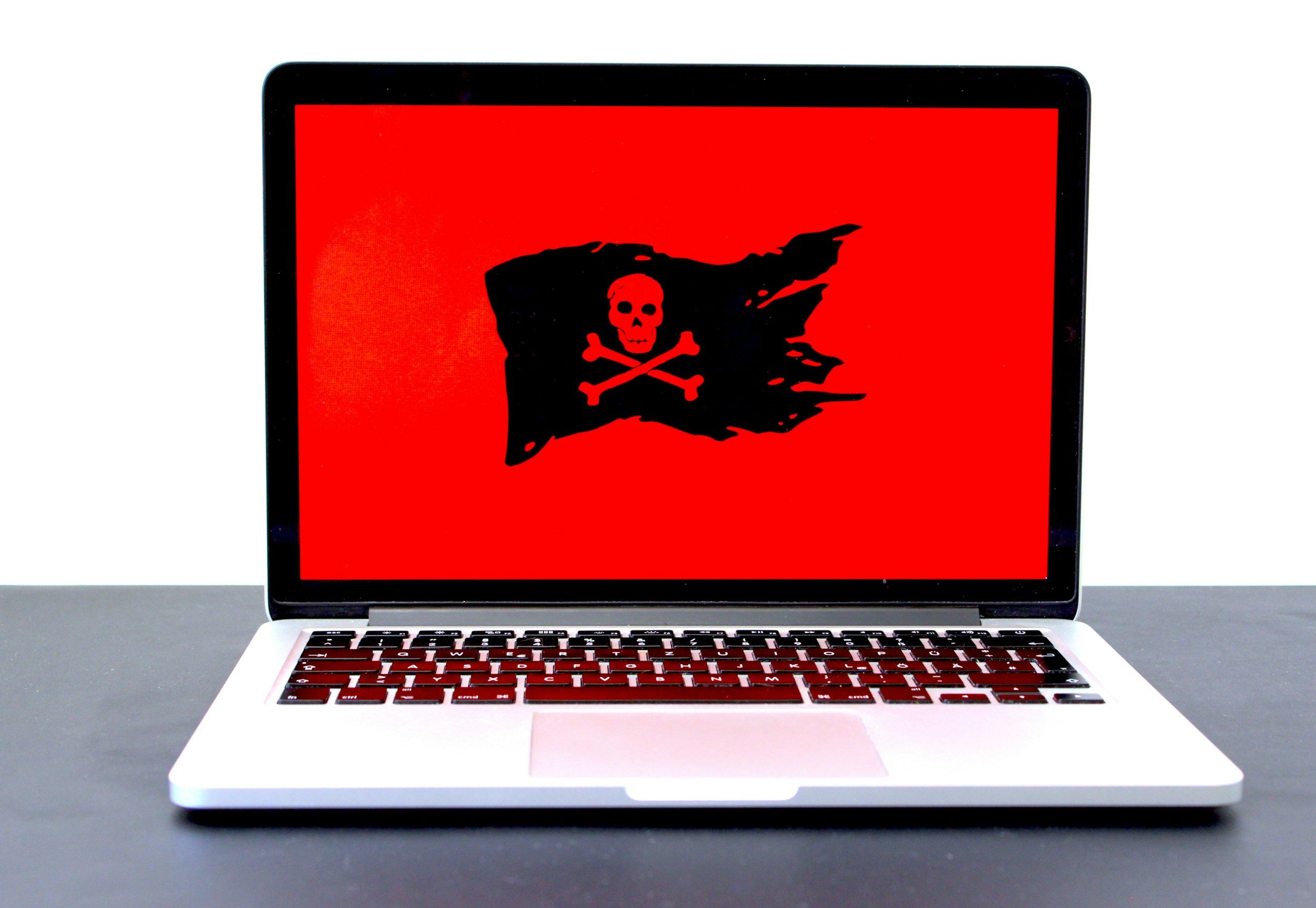
Protecting your business computers from viruses and keeping software up to date isn’t optional anymore—it’s a basic part of running a business.
Good antivirus protection helps stop malware before it can steal customer data, lock up your systems, or shut down your operations. A single infection can lead to lost files, downtime, and expensive recovery work.
Regular updates for your operating system and business software are just as important. These updates fix security gaps that hackers often target and help your systems run more reliably with the tools your team uses every day.
When you combine strong virus protection with regular updates, you greatly reduce the chances of security problems, data loss, or unexpected downtime.
-
Regular Monitoring
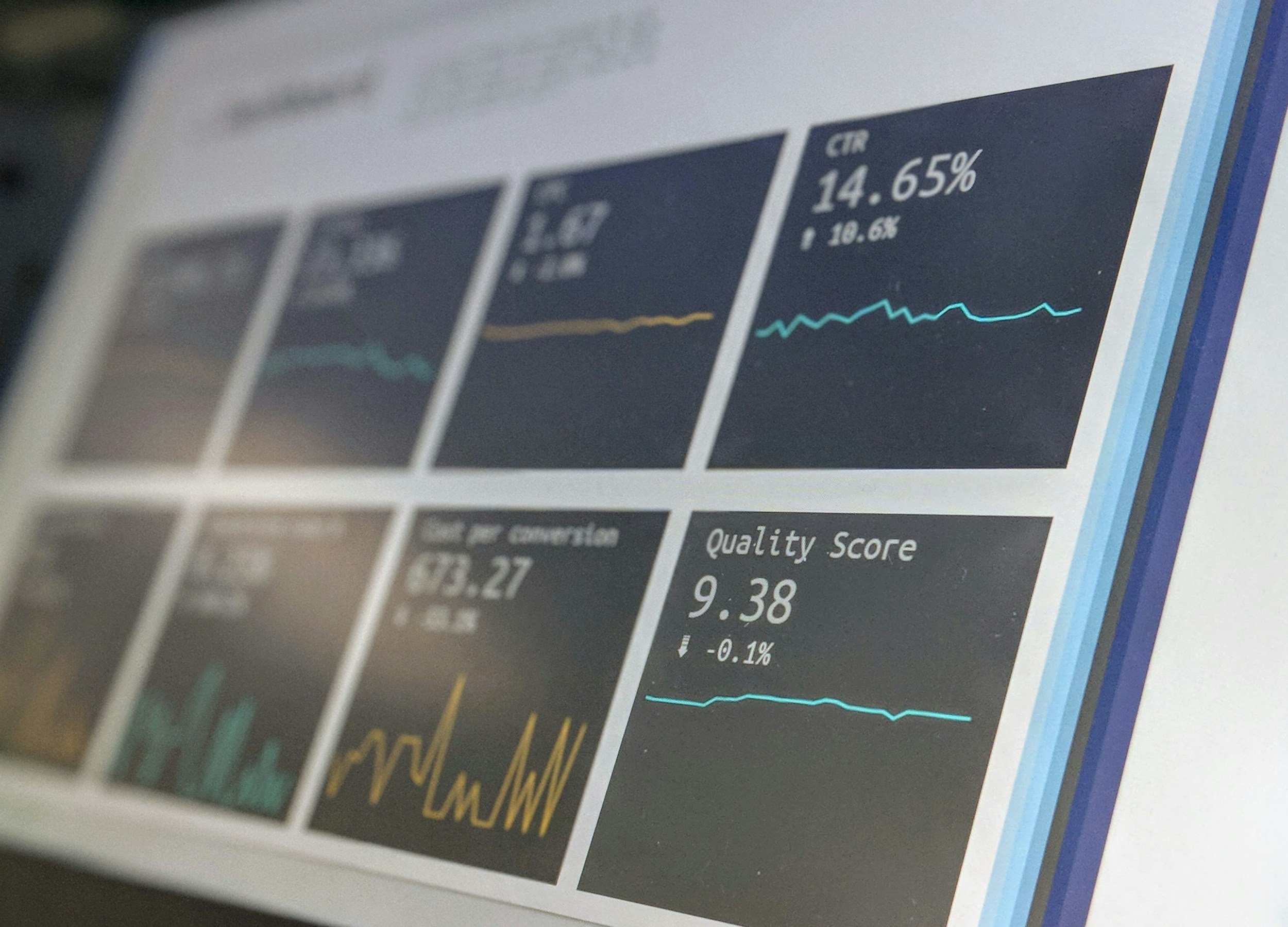
Regularly monitoring your IT systems is one of the simplest ways businesses can avoid costly technology problems. With system monitoring in place, issues like slow servers, network problems, or failing hardware can be detected early—often before employees even notice something is wrong. Fixing problems early helps prevent downtime that can interrupt sales, customer service, or daily operations.
Monitoring also helps spot security risks, failed backups, or unusual activity that could signal a cyber threat. Catching these issues early makes it much easier to respond quickly and keep your data safe.
Over time, monitoring provides useful insights into how your systems are performing. This makes it easier to plan upgrades, manage capacity, and budget for future technology needs instead of dealing with surprise expenses.
-
Shared Drive Backup & Management
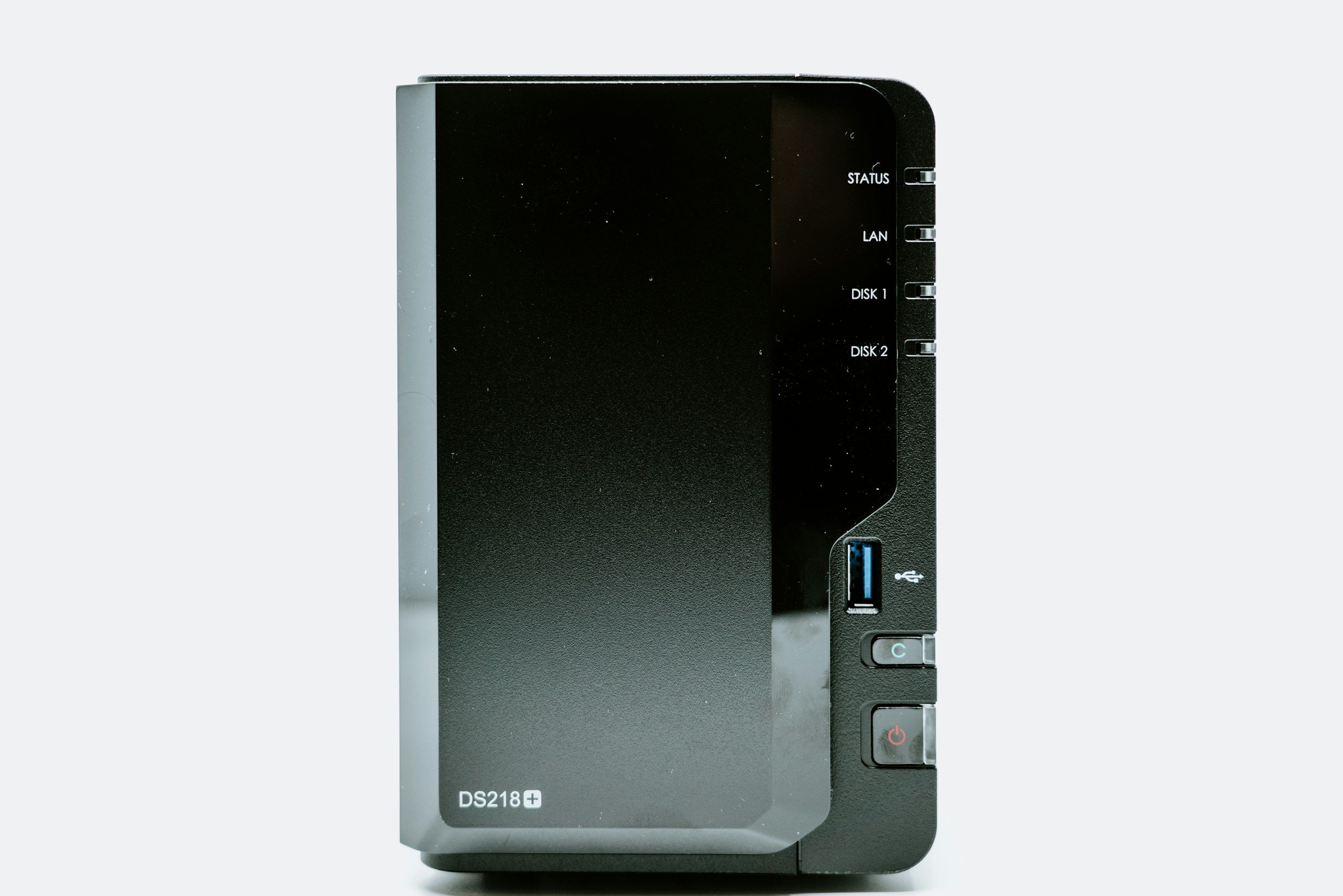
Managing user access and backing up shared drives are simple steps that protect your business and keep operations running smoothly. Controlling who can access files and systems helps prevent data breaches, reduces employee mistakes, and ensures sensitive information is only available to the people who need it. Regular, automated backups protect your important files from hardware failures, accidental deletions, or ransomware attacks so you can quickly restore data and continue working.
For small and medium-sized businesses, combining clear access controls with reliable backups reduces risk, protects your reputation, and prevents costly downtime. With the right safeguards in place, you can focus on running and growing your business knowing your data and systems are secure and recoverable.
-

Networking
A properly configured Ethernet network is one of the smartest investments a small or medium-sized business can make. It delivers fast, reliable connections for computers, phones, printers, and security cameras—so your team wastes less time on slow downloads, dropped calls, or interrupted video meetings.
A well-designed network improves productivity, supports cloud services and backups, and makes remote access and VoIP phone systems work smoothly. It also strengthens security by segmenting sensitive systems, applying consistent policies, and making monitoring easier.
Finally, a thoughtful Ethernet setup scales as your business grows, avoiding costly rework and downtime. In short: reliable performance, better security, and lower long-term costs—done right, your network becomes a foundation that helps your business run more efficiently.
-
VOIP Phones
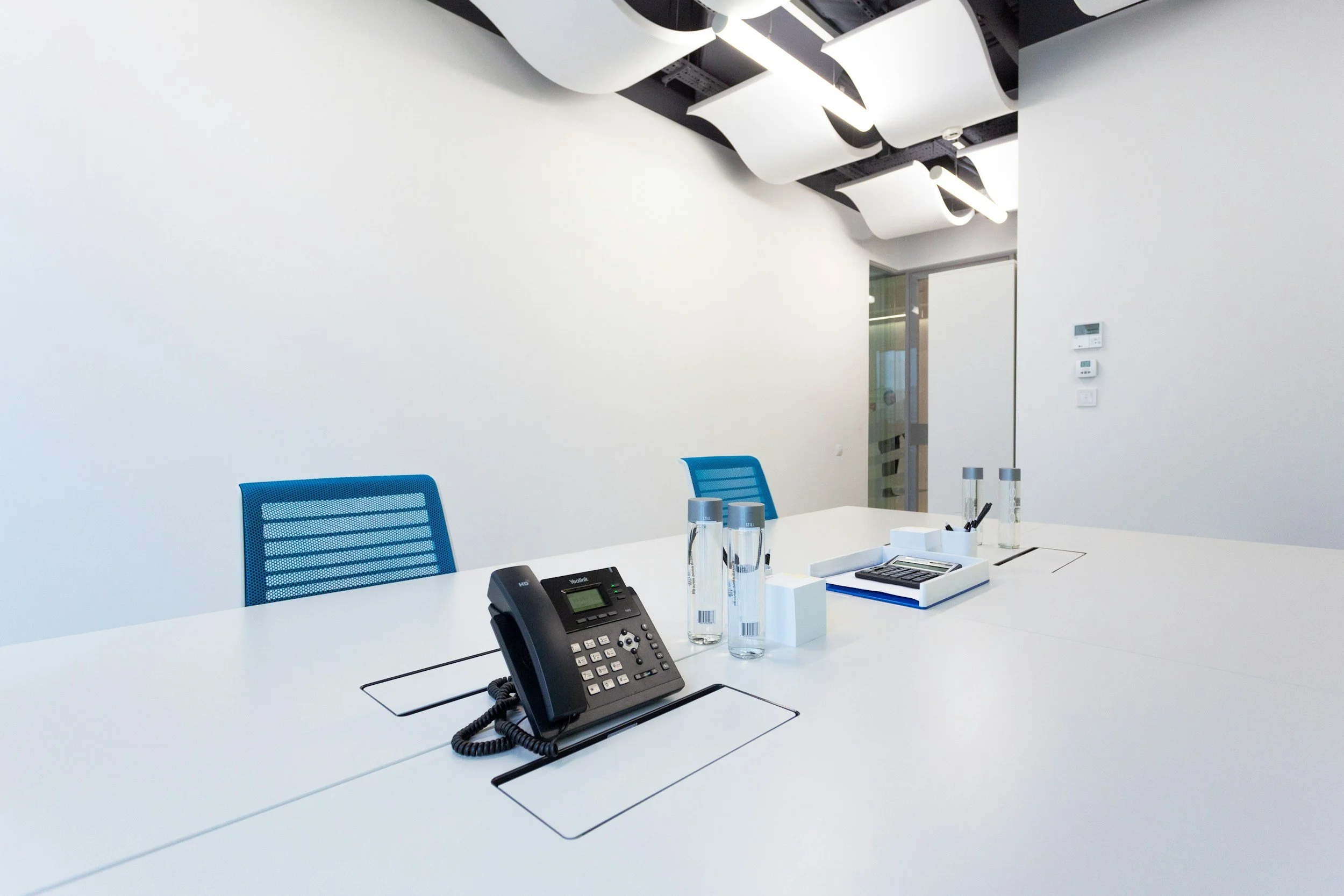
A properly configured VOIP telephone system gives small and medium-sized businesses clear, reliable phone service without the high cost and complexity of traditional phone lines. VOIP uses the internet to make calls, which means lower monthly bills, easy scaling as you grow, and simple features like voicemail-to-email, call forwarding, and mobile apps that keep your team reachable whether they’re in the office or on the go.
When set up correctly, VOIP improves call quality, reduces dropped calls, and integrates with other tools—like calendars and customer databases—so your staff can work faster and serve customers better. It also makes adding or moving phone lines quick and inexpensive, so you don’t need a technician for every change.
Investing in a properly configured VOIP system means fewer phone problems, happier customers, and a communications setup that grows with your business—without surprises on the bill.
-
Cameras
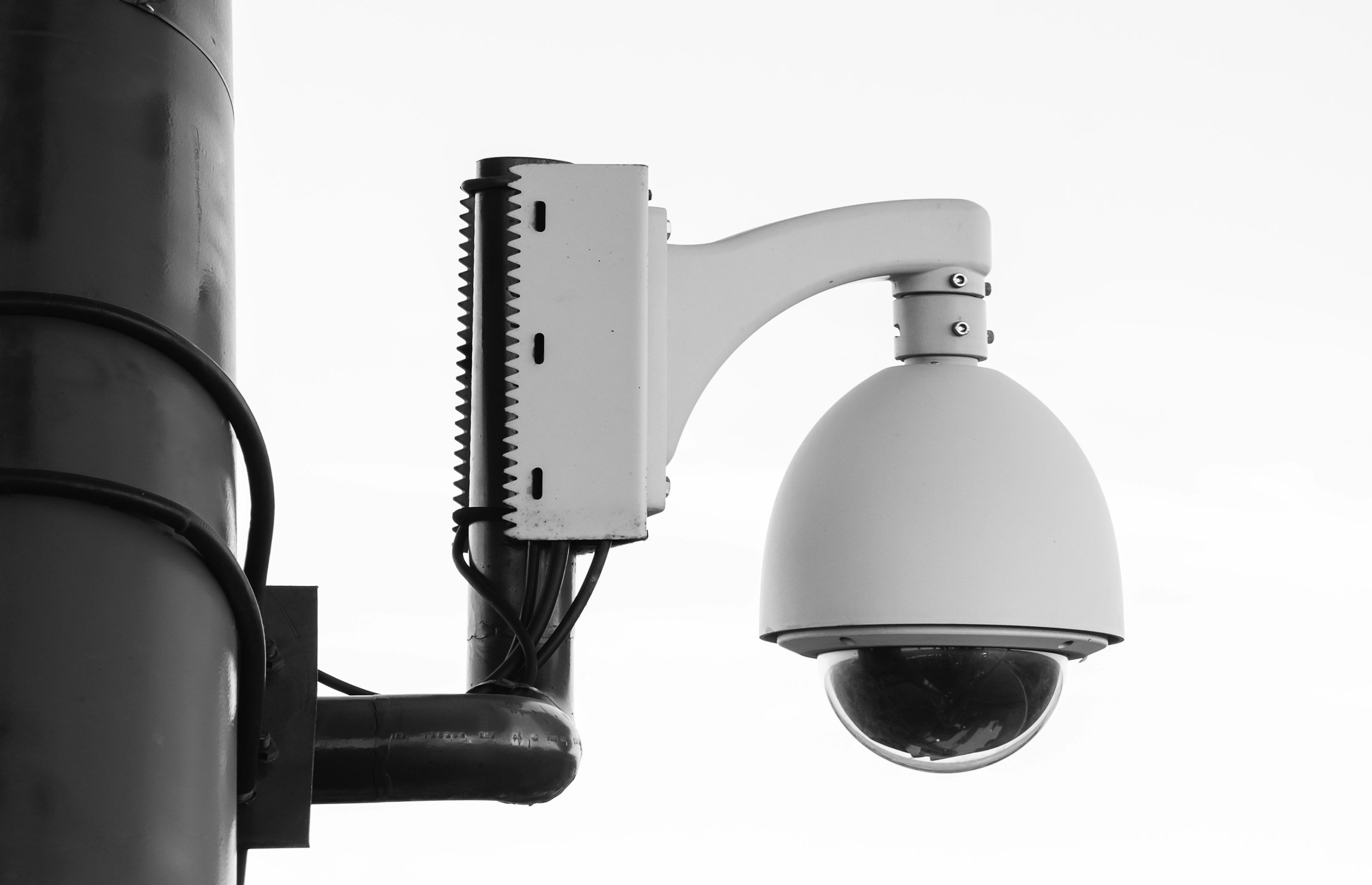
Camera surveillance is a practical and affordable way for small and mid-sized businesses to improve security and protect their assets. Visible cameras can deter theft, vandalism, and other unwanted activity, while recorded footage provides clear, time-stamped evidence if an incident occurs.
Security cameras are especially useful in high-risk areas such as entrances, registers, storage rooms, or parking lots. Monitoring these areas can help prevent loss, identify suspicious behavior, and even uncover operational issues that affect staffing, workflow, or customer service.
Many modern systems also allow remote access, so business owners can check their cameras from a phone or computer and receive alerts if unusual activity is detected. This makes it easier to respond quickly, even when you’re not on-site.
-

Access Control
Physical access control helps small and mid-sized businesses manage who can enter certain areas of their workplace. By allowing only authorized people into offices, storage rooms, or restricted spaces, businesses can better protect employees, customers, equipment, and sensitive information.
Modern systems—such as keycards, PIN codes, mobile credentials, or biometric scanners—make it easy to control and update access without replacing physical keys. If an employee leaves or changes roles, access can be updated instantly instead of rekeying locks.
These systems can also work with alarms and security cameras to provide real-time monitoring and faster response if something unusual happens. Access logs keep a record of who entered certain areas and when, which can be helpful for investigations, compliance, or internal accountability.
Consulting Services
-

Compliance
Following the law is essential for small and mid-sized businesses. Staying compliant protects your reputation, reduces the risk of fines or lawsuits, and keeps day-to-day operations running smoothly.
Compliance also builds trust with customers, suppliers, and investors by showing that you handle data, taxes, employment, safety, and industry rules responsibly. It encourages consistent processes, accurate record-keeping, and proactive risk management, which can make your business more efficient.
For growing businesses, staying compliant makes it easier to scale and secure financing, since lenders and partners prefer working with companies that have clear legal governance. Overall, investing in compliance helps protect your assets, supports steady growth, and lets you focus on running your business instead of dealing with legal emergencies.
-
Technology
Understanding your technology needs is crucial for small and mid-sized businesses. By assessing what hardware, software, and services your business truly requires, you avoid overspending on tools you don’t need and focus on solutions that improve productivity, security, and customer service.
A clear tech plan also makes it easier to scale as your business grows, ensures you meet data and industry regulations, and reduces downtime by choosing the right systems and vendors.
When your technology aligns with business goals, operations run more smoothly, employees have the tools they need, data stays protected, and you make smarter, cost-effective decisions that support long-term growth and competitiveness.
-

System Design
Good system design is a smart investment for small and mid-sized businesses. Building technology with clear architecture ensures your systems are efficient, scalable, and secure. It reduces downtime by avoiding weak points, speeds up everyday processes, and improves the user experience for employees and customers.
Well-designed systems make maintenance simpler and cheaper. Modular setups and clear documentation make troubleshooting, upgrades, and new integrations faster and less disruptive. Security and compliance are built in from the start, with access controls, encryption, and backups to lower the risk of data loss, breaches, or fines.
Efficient design also keeps costs under control by avoiding unnecessary overprovisioning while still handling peak workloads. Integrated tools and reliable data give business owners the insights they need to make faster, smarter decisions.